Listed Building Condition Surveys
Regulated by RICS
Instant Quote | NO OBLIGATION
Or Call 0333 200 7198
Listed building condition surveys are a crucial tool when buying a period property. They will tell you how much maintenance a property needs and how much it will cost, as well as the budget needed for major and minor repairs.
Our RICS surveyors provide tailored, expert advice on alterations, looking after the property and any liabilities you are taking on, so that you can be confident that the house is right for you.
Getting a Listed Building Survey
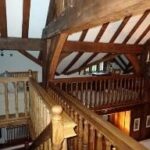
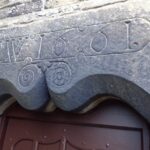
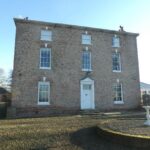
Properties are listed because of their historic significance; because they are of value as a heritage asset to future generations. By their nature, they are predominantly (although not always) older buildings, built in the 19th century or earlier, with unusual historic features.
They are some of the most characterful and interesting properties we visit, and the extra time required to thoroughly inspect an historic building is well rewarded by the chance to get an insight into a slice of local history.
Surveying a period or listed building places certain requirements on a surveyor that a modern, standard-build house does not.
- An understanding of heritage construction types and materials, such as:
- timber frame
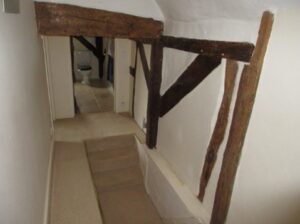
- wattle and daub
- decorative and structural stonework
- historic chimneys and fireplaces
- lead, asbestos, animal hair and other dangerous materials
- lime mortar
- cellars
- sash windows
- thatch.
- Knowledge of the local vernacular style through the ages.
- The skills to assess whether cracking and movement is historic or ongoing.
- Expertise in how modern additions and renovations affect original elements of the building.
- Understanding of how to identify and manage endangered species, such as bats, that might be present.
- Experience in looking for hidden defects and anticipating future issues.
Buying a listed home will mean you are committing to regular repairs and maintenance, and it is important to fully understand the costs involved. In addition, your conveyancers will need to do thorough checks that any prior alterations have been made with appropriate consents. A survey can be invaluable at this stage. A surveyor will highlight anything in the property that they do not believe to be original, so that you and your solicitor can check the paperwork.
Furthermore, if you want to make changes to the property, official listed building consent will be required. A good surveyor will advise you on the feasibility – in their professional opinion – of any alterations you plan to make.
Surveyors can also suggest works that should be considered to maintain and benefit from the original features of the property, such as exposing solid flooring and sections of timber frame, or unearthing boarded up fireplaces.
Grade I Listed Building Surveys
Grade II* Listed Building Surveys
Grade II Listed Building Surveys
Choosing an RICS survey
Using a trusted surveyor
Choosing an RICS Chartered Surveyor for a listed building survey is a great start. The RICS (the Royal Instution of Chartered Surveyors) is our governing body, and they set strict, high standards for surveyors in the UK and across the world. An RICS surveyor is forbidden from surveying a property type that they are not competent to assess, and should give you an honest overview of their relevant experience and expertise.
The RICS also has a separate qualification, the Register of RICS Certified Historic Building Professionals. This qualification demonstrates that the surveyor has in-depth knowledge of the conservation of historic buildings, from the cultural and social value, to its materials, construction and legislative considerations. This qualification is not mandatory for surveying a residential Grade II or Grade I listed property, but someone with this expertise would definitely have the knowledge needed to appropriately assess a listed home.
Other memberships and qualifications to look out for include the Institute of Historic Building Conservation, the Chartered Institute for Archaeologists, and the The Society For The Protection Of Ancient Buildings. These organisations all arrange excellent continual professional development training for their members, and facilitate the sharing of expertise, meaning that their surveyors stay abreast of the latest developments in the field of heritage property.
Choosing a comprehensive listed building survey
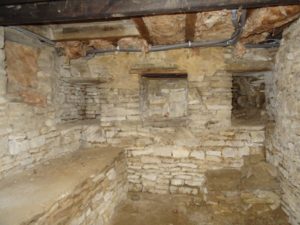
Another consideration is which survey type to choose. Avoid tablet-software-based surveys; these do not have the flexibility to tailor an inspection to the level that a listed building requires. For example, listed houses often have unusual features such as ice houses, extensive cellars, ogees, wells, inglenooks and priest holes which are often unique and should be assessed accordingly.
The vast variety in these properties also means that a bespoke report is required; it is almost impossible to adequately cover a heritage property using a set tablet report with pre-defined template and sections.
The RICS recommends a Level 3 survey. These are the most comprehensive type of survey, which the most in-depth analysis of the condition and structure of the property, as well as advice on potential hidden problems. This type of survey will also include detail on the repairs and maintenance that will be necessary to keep the property in good condition, along with information on the appropriate techniches and materials that should be used, and budget costs.
The cost of getting – or not getting – a survey
With any type of property, a survey can save buyers substantial sums by uncovering expensive defects. However, with period properties the potential for costly repairs is greater, because of the prevalence of inappropriate renovations that counteract the way the building was designed to function. For example, period, solid-walled houses with lime-based mortar are designed to absorb moisture, which then evaporates quickly, before it can cause any problems. Alterations using cement-based or other non-breathable materials trap water in the fabric of the building. This can damage masonry as it freezes and thaws, allowing more moisture inside. Ultimately, this can lead to damp problems and structural damage.
For this reason, even though most listed houses have been standing for over 100 years without problems, a building survey is vital for picking up future issues caused by modern alterations.
Our instant quote facility will give you an instant cost for a Grade 2 listed building survey. If the property is Grade 1 listed, or particularly large or unusual, you can contact our expert surveying team for a bespoke quote.

Our Expert Surveying Approach
We are firm believers in providing a professional report that is informative and above all, useful. We write bespoke reports for every property, rather than relying on tablet software and standard phrasing. Crucially, we avoid caveating our statements, so that you receive an expert opinion on the condition of all aspects of your property.
Our reports are designed not to scaremonger; when taking on an older or larger property, it is expected that there will be some repair and maitnenance requirements and there is no need for this to block a sale. Our reports are meant as an advice booklet so that you understand the maintenance requirements and financial liabilities associated with the upkeep of the property.
Ultimately, the report will help you confirm whether the property is right for you.
If the property is in disrepair, we will provide a report detailing what needs to be done to bring it up to modern living standards, with the use of traditional materials and trades to preserve the fabric and nature of the building.
We work with a lot of contractors who specialise in these types of property and we can often provide recommendations if required.
Or contact us for more information:
info@allcottassociates.co.uk | 0333 200 7198